


Biography
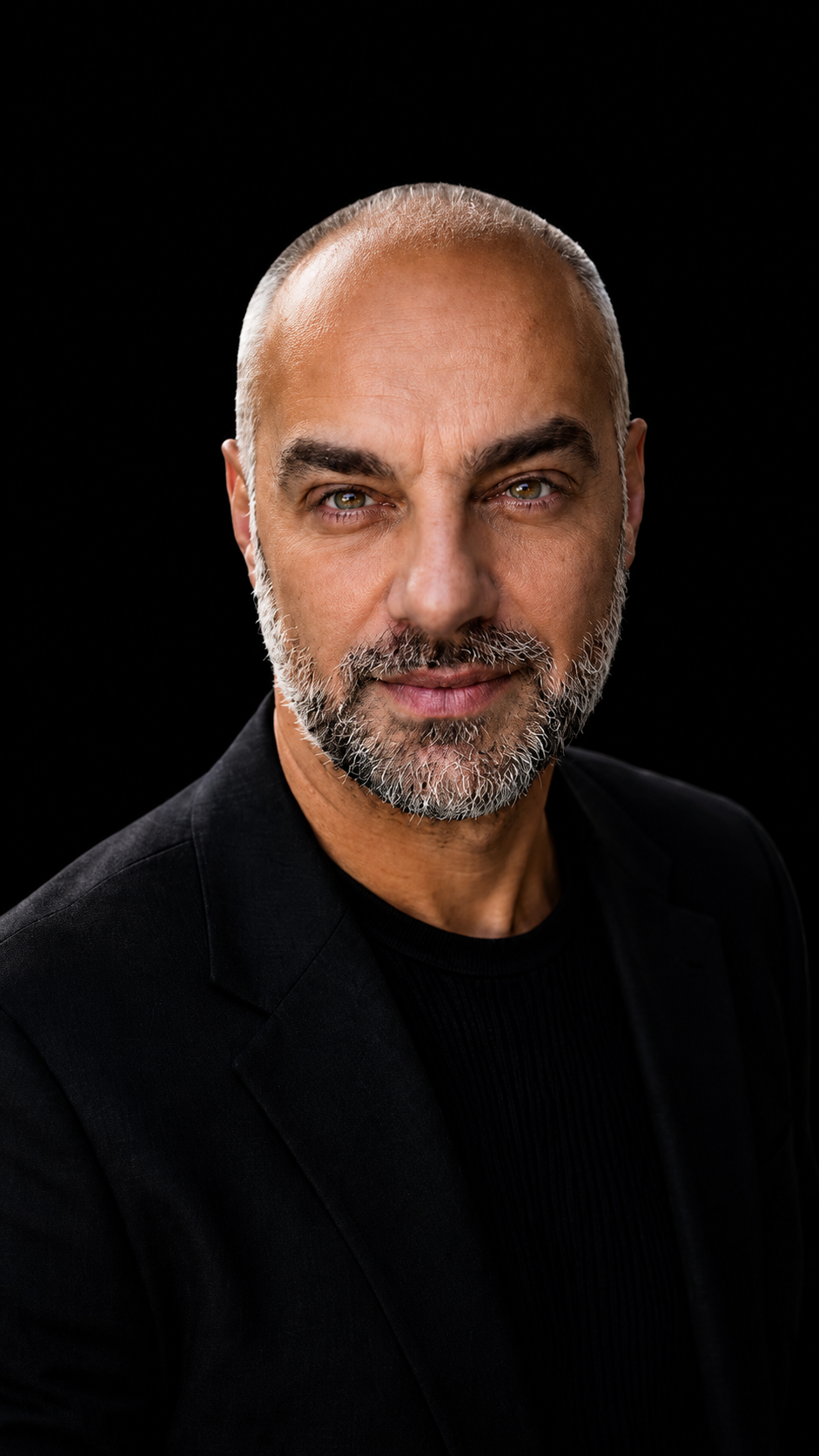
Sasho Dimoski (Ohrid, 1985, PhD in Dramatic Arts from the Faculty of Dramatic Arts, Ss. Cyril and Methodius University, Skopje) is a Macedonian writer, theatre artist, and university professor. His portfolio, developed across literature, drama, and ballet, encompasses more than sixty titles. He is the author of the novels The Diary of a Hooligan, Alma Mahler, The Fifth Season, Sleeping Beauties, and So Dark. He has authored the collections of original plays We, the Others and Texts for Stage Performance, the book of theatre studies 8/4, and edited the three-volume anthology New Ancient Drama. He is also the author of the poetry collection Museum of Oblivion. His works have been translated into English, Serbian, Bulgarian, Albanian, Hungarian, Korean, and Kazakh, while his short stories, plays, poetry selections, essays, and theatre studies have been published in various anthologies and journals in North Macedonia and abroad.
He is the recipient of numerous significant awards and recognitions, including, among his individual distinctions, the Racin Recognition for the novel The Fifth Season; the Eurodram recognition for new European drama for the play Between the Dragon and His Wrath; a Ministry of Culture of the Republic of Macedonia competitive acquisition of his play The Young Ladies of Avignon; the Antevo Pero Poetry Award for Museum of Oblivion; a Recognition for International Influence from the Theatre Association of South Korea; and an Honorary Recognition from the Colombo International Theatre Festival, Sri Lanka. Among the collective awards received by productions of his works are the Award for Production of the Season 2024 for Demons, Csokonai National Theatre, Debrecen; the Award for Contemporary Stage Expression at IFAD Stobi for Royal Bastards; the Award for Best Chamber Production for The Forest of My Tree at the Babel International Festival, Târgoviște, Romania; the Award for Best Production at the Theatre in the Fortress Festival, Smederevo, for The Feather Collectors; the ASKEER Award for Best Production for Without Blood; and others. For his work in literature and theatre, as a young artist in 2020 he received the Successful Young People recognition, awarded by the President of the Republic of North Macedonia.
Since 2014, he has been employed as a dramaturg at the National Theatre “Jordan H. K. Dzinot” in Veles. From 2020 to 2024, he served as its Director and as Selector of the International Festival of Ancient Drama “Stobi”. Since 2020, he has been a professor at Europa Prima University in Skopje, Republic of North Macedonia, where he teaches History and Theory of World Drama and Theatre.
Outstanding title:
ALMA MAHLER (2022)
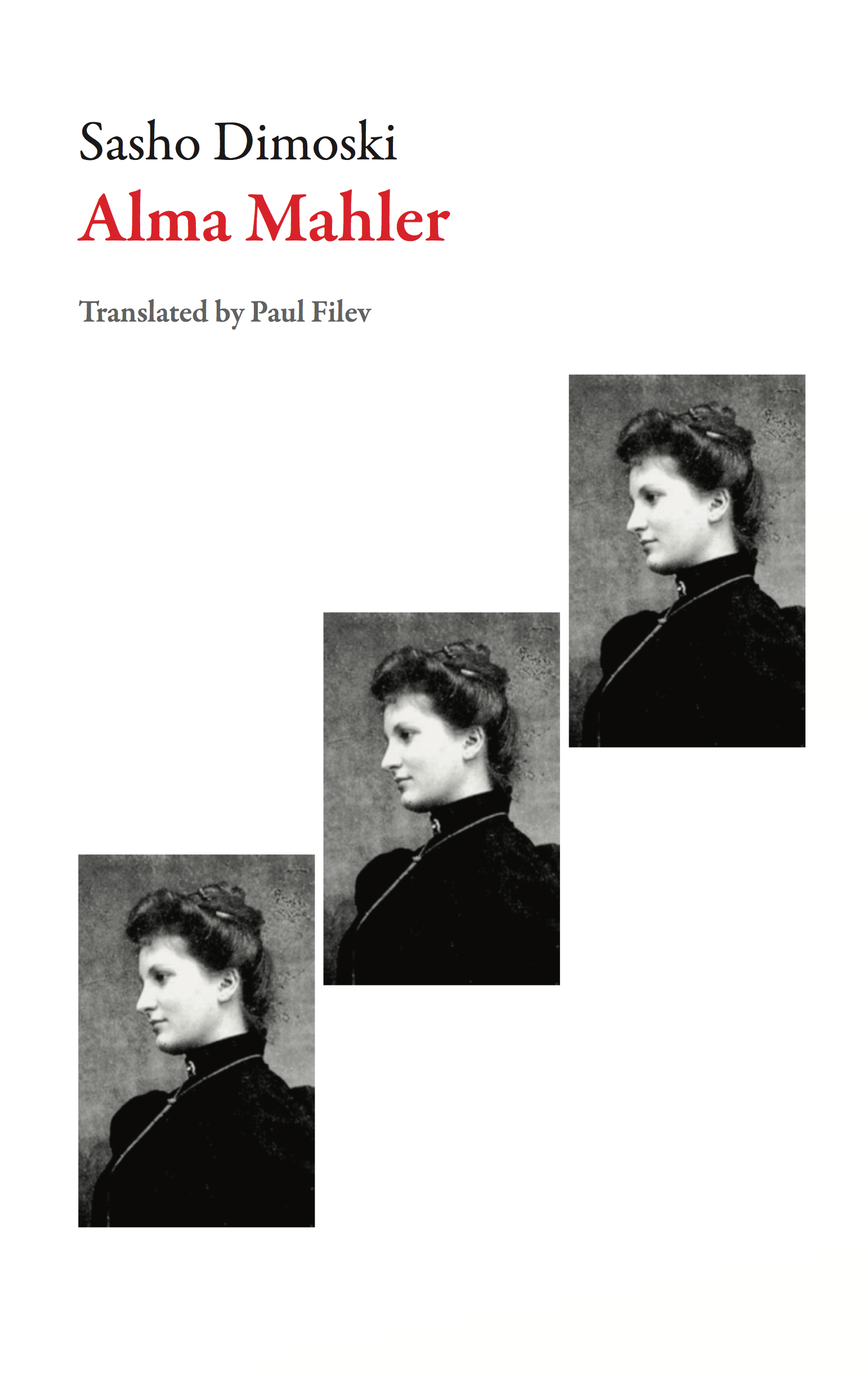
Alma Mahler by Sasho Dimoski is an intimate and deeply lyrical portrait of a woman whose life, identity, and dreams became inseparably intertwined with the genius of Gustav Mahler. Structured around Mahler’s symphonies, the novel gives Alma a powerful inner voice as she revisits their turbulent relationship and confronts love, sacrifice, loneliness, artistic ambition, and the painful loss of self. Through her memories, music becomes both the soundtrack of their extraordinary bond and a metaphor for everything that survives beyond human life. As Gustav approaches death, Alma struggles with the knowledge that she must continue without him, carrying both the burden of their past and the responsibility of preserving what they created and experienced together. Ultimately, Alma Mahler is a moving meditation on love, memory, art, and mortality—and on a woman searching for her own voice beside a man whose music would become immortal.
No. of pp: 127
Rights sold to:
- Australia, Bulgaria, Croatia, Great Britain, Hungary, Serbia and USA.
Latest title:
SO DARK (2022)
So Dark by Sasho Dimoski is a powerful literary journey through different periods of human history, exploring a world repeatedly confronted by epidemics, war, suffering, and death. Moving across centuries and places, from ancient Troy and Rome to the modern age, the novel reveals how fear, loss, and human vulnerability remain strikingly unchanged. Through historical figures, imagined voices, and intimate personal stories, Dimoski intertwines documented history with fiction to explore the deepest human responses to catastrophe. Yet amid disease and destruction, the novel also speaks of love, memory, art, resilience, and the enduring desire to survive and find meaning. So Dark ultimately reminds us that although history changes its faces, humanity continues to confront the same darkness—and to search for light within it.
No. of pp: 268